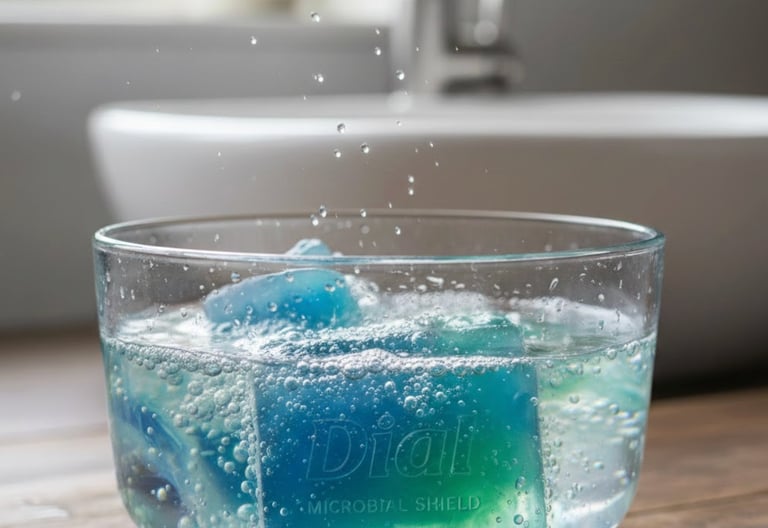
Effects of Dial Antimicrobial Hand Soap in Lentic Water
1. Project Overview & Methods (September 2025)
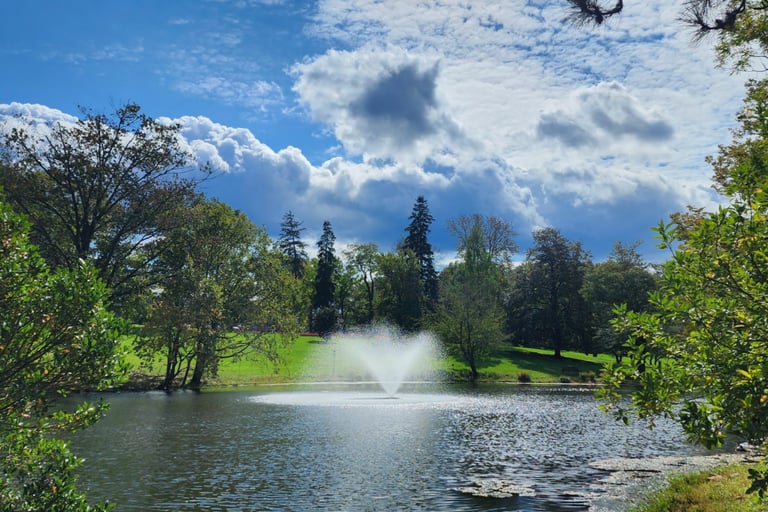
In September 2025, I conducted a hypothesis-driven aquatic ecology study examining the effects of Dial Antimicrobial Hand Soap on water quality in a lentic freshwater system. Water samples were collected from Passion Puddle on the Rutgers Cook/Douglass campus and analyzed using Water Quality Index (WQI) parameters, including pH, dissolved oxygen (DO), and biochemical oxygen demand (BOD). The experiment used control and experimental groups with replicates, quantitative probe measurements, and statistical analysis (two-sample t-tests) to evaluate the environmental impact of antimicrobial soap runoff.
2. Key Findings & Scientific Skills
The results showed that pH significantly decreased in soap treated samples, indicating increased acidity, while DO and BOD did not change significantly. This finding demonstrates how everyday antimicrobial products can chemically alter aquatic environments, even when biological oxygen measures appear unchanged. Through this project, I gained hands-on experience in experimental design, environmental sampling, data collection, statistical interpretation, and scientific writing, as well as working with real-world contaminants and controlled laboratory systems.

3. Relevance to My Pre-Dental Journey
This research directly supports my pre-dental pathway by strengthening my foundation in chemistry, microbiology, and public health concepts relevant to dentistry. Studying antimicrobial agents such as benzalkonium chloride helped me understand how substances designed for hygiene can have unintended biological effects, an important concept in dental infection control, patient safety, and environmental responsibility. The project also highlights my ability to conduct evidence-based research, interpret data critically, and connect science to broader health impacts, all of which are essential skills for dental school and future clinical practice.